You’ve decided to remodel your kitchen, bathroom, or basement. Now comes the next question: who actually does the work?
For most homeowners, the assumption is straightforward—hire a contractor. But the remodeling world isn’t quite that simple. There are different approaches to how projects get planned and built, and the one you choose affects everything from your stress level to your final budget.
Design-build is one of those approaches, and it’s increasingly popular among homeowners who want a smoother renovation experience. Here’s what it means and why it matters.
The Traditional Way: Design-Bid-Build
To understand design-build, it helps to know what it’s replacing.
The traditional approach to remodeling is called design-bid-build. It works like this:
Step 1: Hire a designer or architect. You work with them to create plans for your project—layouts, specifications, material selections. This phase might take weeks or months, and you pay separately for this service.
Step 2: Shop the plans to contractors. Once the design is complete, you take those plans to multiple general contractors who bid on the construction work. You compare quotes, check references, and select a builder.
Step 3: Construction begins. The general contractor you hired builds the project according to the designer’s plans. If questions arise or changes are needed, communication flows through you—back to the designer for clarification, then to the contractor for implementation.
This approach has been standard for decades. It can work, especially for large commercial projects or when you have a specific architect whose vision you want a contractor to execute.
But for residential remodeling, it creates some real challenges.
Where the Traditional Approach Gets Complicated
The design-bid-build model puts the homeowner in the middle of everything. You become the project manager by default, responsible for making sure the designer and contractor are aligned—even though you may have no construction experience yourself.
Communication gaps are common. The designer creates plans based on your vision. The contractor interprets those plans based on their experience. If those interpretations don’t match, you’re the one sorting it out. Worse, the designer may have moved on to other clients by the time construction reveals a problem.
Budget surprises happen frequently. Designers don’t always know what things cost to build. They may create beautiful plans that turn out to be far beyond your budget once contractors actually price the work. At that point, you either pay more than planned or go back to redesign—adding time and expense.
Accountability gets murky. When something goes wrong, the designer might say the contractor didn’t follow the plans correctly. The contractor might say the plans weren’t buildable as drawn. You’re stuck in the middle, trying to figure out who’s responsible and how to move forward.
The timeline stretches. After design is complete, you still need to solicit bids, compare proposals, check references, and negotiate contracts before construction even starts. Then you wait to get on the contractor’s schedule. The gap between finishing design and starting construction can be months.
None of this is inevitable, but it’s common enough that many homeowners finish their remodel feeling relieved it’s over rather than excited about the process.
How Design-Build Works Differently
Design-build brings design and construction under one roof. Instead of hiring separate companies for each phase, you work with a single firm that handles everything from initial concepts through final construction.
The same team that helps you plan your layout is the team that builds it. There’s no handoff, no bidding phase, no gap in communication.
Here’s what that looks like in practice:
One point of contact. From your first consultation through your final walkthrough, you’re working with the same company. Questions get answered quickly because everyone is on the same team.
Design informed by construction reality. When designers and builders work together daily, designs reflect what’s actually feasible and cost-effective. Your designer isn’t guessing what things cost—they know, because they’re collaborating with the people who build these projects regularly.
Continuous accountability. There’s no finger-pointing between separate companies. If something isn’t right, the design-build firm owns it and fixes it. Period.
Faster project delivery. Without a separate bidding phase, projects move from design to construction more efficiently. Some phases can even overlap—preliminary construction work can begin while final design details are still being refined.
The Real Benefits for Homeowners
Beyond the structural advantages, design-build changes the day-to-day experience of remodeling in meaningful ways.
You’re Not the Project Manager
In design-bid-build, coordinating between your designer and contractor becomes your job. You relay messages, clarify intentions, and mediate disagreements. It’s exhausting, especially when you have a full-time job and family responsibilities already.
With design-build, that coordination happens internally. The team manages communication among designers, project managers, carpenters, and trade professionals. You make decisions about your home—not about workflow logistics.
Budget Alignment from the Start
One of the most frustrating experiences in remodeling is falling in love with a design, only to discover it costs twice what you planned to spend.
Design-build firms discuss budget from the very first conversation. Design decisions are made with cost implications in mind, so you’re not designing in a vacuum and hoping the numbers work out later. When trade-offs are necessary, your team can show you options: here’s what you could do for your target budget, and here’s what it would take to include that feature you really want.
This doesn’t mean design-build is cheaper (though it can be). It means you’re less likely to be blindsided.
Changes Are Easier to Handle
Every remodel encounters moments where the plan needs to adjust. Maybe you see the space with the walls opened up and realize you want the island oriented differently. Maybe demolition reveals outdated wiring that needs replacement.
In design-bid-build, changes often require going back to the designer, getting revised drawings, then communicating those to the contractor—with associated delays and costs at each step.
In design-build, the team handles changes more fluidly. The designer and builder are already in communication. Adjustments can be evaluated, priced, and implemented with less friction because everyone is working from the same information.
Single-Source Warranty
When your project is complete, you want to know that someone stands behind the work. With design-build, there’s no ambiguity. The firm that designed your kitchen is the firm that built it, and they’re accountable for both.
If a cabinet door doesn’t close right or the tile wasn’t set correctly, you don’t have to figure out whether it’s a design problem or a construction problem. You call the company that did the work, and they make it right.
Common Concerns About Design-Build
Some homeowners hesitate about design-build because it feels like putting all your eggs in one basket. A few thoughts on that:
“What if I don’t like their design style?”
Design-build firms vary widely in aesthetic approach. Before committing, look at their portfolio. Do their completed projects reflect the style you’re hoping to achieve? A good firm listens to your preferences and creates designs that reflect your taste—not just their own.
“Can I still get competitive pricing?”
You can (and should) get proposals from multiple design-build firms, just as you would get bids from multiple contractors. The difference is that you’re comparing complete proposals—design and construction together—rather than apples-to-oranges bids on construction alone.
“What if I already have plans from an architect?”
Some design-build firms will work from existing plans if you’ve already invested in design work. However, much of the design-build advantage comes from the integrated process, so you may not get the full benefit if design is already locked in.
When Design-Build Makes the Most Sense
Design-build is particularly well-suited for:
Homeowners who value simplicity. If you want one company to call, one team to trust, and one contract to manage, design-build delivers that.
Projects with some complexity. Kitchen remodels, bathroom renovations, basement finishing, and additions all involve multiple trades and design decisions. The more moving parts, the more valuable an integrated approach becomes.
People who don’t want to become construction experts. If you’d rather focus on choosing finishes and making decisions about your home—instead of managing contractors and mediating disputes—design-build lets you do exactly that.
Budget-conscious homeowners. Not because design-build is always cheapest, but because the integrated process reduces the surprises, change orders, and coordination failures that blow budgets in traditional projects.
What to Look for in a Design-Build Firm
If you’re considering this approach, here’s what separates strong design-build firms from weaker ones:
True integration. Some companies call themselves design-build but actually subcontract the design work to outside firms. Look for companies with in-house design capabilities and construction teams that work together daily.
Clear process. A good firm can walk you through exactly how they work—from initial consultation through design development, material selection, permitting, construction, and final walkthrough. If the process seems vague or improvised, that’s a warning sign.
Relevant experience. Make sure the firm has completed projects similar to yours in scope and style. Ask to see examples and speak with past clients.
Communication systems. How will you receive updates during construction? Who is your primary contact? What’s their typical response time? Firms with established communication practices tend to deliver smoother experiences.
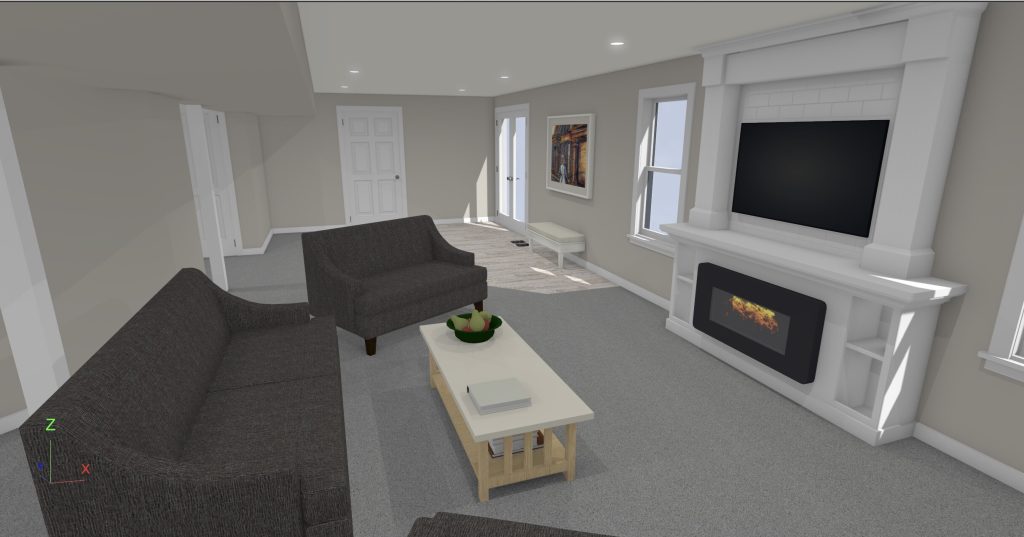
Modern planning tools. The best design-build firms invest in technology that improves accuracy and efficiency. Tools like LiDAR scanning capture precise measurements of your existing space, reducing errors and speeding up the design process. 3D modeling helps you visualize the finished project before construction begins. These aren’t gimmicks—they’re practical tools that lead to better outcomes.
How Design-Build Has Evolved
Design-build isn’t new, but it’s changed significantly over the past decade. What was once primarily a commercial construction method has been refined for residential projects, with processes specifically designed around how homeowners make decisions and live through renovations.
Today’s design-build firms typically offer:
Collaborative design development. Rather than presenting finished plans for your approval, good firms involve you in the design process—showing options, explaining trade-offs, and refining the concept based on your feedback.
Transparent pricing. Instead of a single bottom-line number, you get detailed breakdowns showing where your money goes. This makes it easier to adjust scope if needed and understand exactly what you’re paying for.
Phased decision-making. You don’t have to choose every finish and fixture before construction begins. Well-structured processes identify which decisions need to happen when, so you’re not overwhelmed and nothing holds up the project.
Living-in-place expertise. Unlike new construction, remodeling happens while you’re living in the home. Experienced design-build firms understand how to sequence work, contain dust and debris, and minimize disruption to your daily routine.
The Bottom Line
Design-build isn’t the only way to remodel a home, but for many homeowners, it’s the least stressful path to a finished project they love.
By bringing design and construction together, you eliminate the gaps, miscommunications, and finger-pointing that plague the traditional approach. You get a team that’s accountable from start to finish, designs grounded in construction reality, and a process that respects both your budget and your time.
If you’re planning a kitchen, bathroom, basement, or addition in Massachusetts, it’s worth understanding how design-build could work for your project.
Curious how the design-build process would work for your remodel? Schedule a consultation to walk through your project goals, or request a quote to get started.
RenoVista Construction is a design-build remodeling firm serving Worcester County, Metrowest, and Norfolk County. From initial design through final construction, one team handles your entire project—with clear communication, detailed pre-planning, and accountability at every stage.