
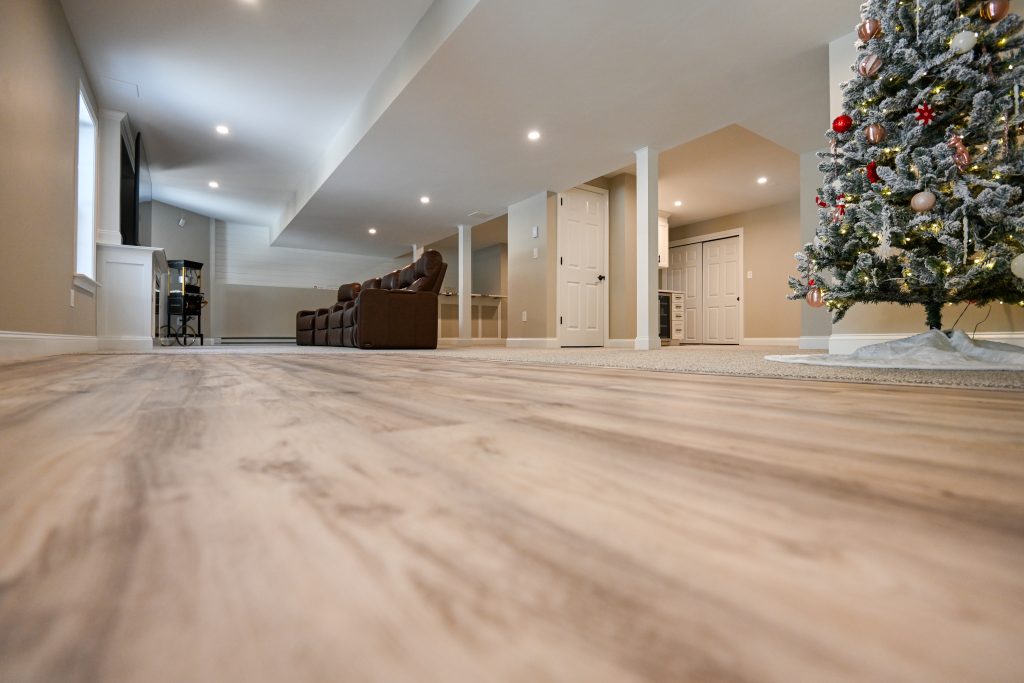
Your basement has been sitting there for years—maybe collecting boxes, maybe collecting dust. You’ve finally decided it’s time to turn that underutilized space into something your family will actually use. But where do you begin?
Before the first wall goes up or the first wire gets run, a little planning goes a long way. This checklist will help you think through the key decisions, avoid common surprises, and set your project up for success.
Start With the “Why”
Before diving into finishes and floor plans, get clear on how you want to use the space. Your answer shapes everything else—from layout to budget to timeline.
Ask yourself: Will this be a place for the kids to hang out? A quiet home office? A guest suite for visiting family? An entertainment space for game days? Maybe a combination?
The clearer you are on purpose, the better your finished basement will serve your family for years to come.
Assess Your Current Basement Condition
Every basement starts somewhere different. Take an honest look at what you’re working with:
Moisture and water issues. This is the big one. Have you noticed dampness, water stains, musty smells, or actual leaks? Any moisture problems need to be addressed before finishing work begins—not after drywall is up. In Massachusetts, our older homes and seasonal weather patterns make this especially important to evaluate.
Ceiling height. Massachusetts building code requires a minimum of 7 feet of ceiling height in finished basements (with some allowances for beams and ductwork). Measure your current clearance. If you’re borderline, there are solutions—but it’s better to know upfront.
Mechanicals placement. Where’s your furnace, water heater, electrical panel, and main plumbing? These can be worked around, but their location affects your layout options and may require creative solutions.
Foundation condition. Look for cracks, bowing walls, or signs of structural issues. Most cosmetic cracks are normal in New England homes, but anything significant should be evaluated before you invest in finishing.
Existing egress. Does your basement have a door or window that meets emergency exit requirements? If you’re adding a bedroom, Massachusetts code requires an egress window—a window large enough for someone to escape through in an emergency.
Understand Massachusetts-Specific Requirements
Finishing a basement in Massachusetts isn’t quite like other states. A few requirements to keep in mind:
ERV/HRV ventilation. Massachusetts energy code requires mechanical ventilation in finished basements—typically an Energy Recovery Ventilator (ERV) or Heat Recovery Ventilator (HRV). This ensures healthy air quality in your new living space. It’s an investment, but it’s also the law and genuinely good for your family’s health.
Permits and inspections. Your basement remodel will need permits from your local building department. This typically includes building, electrical, and plumbing permits depending on your scope. A reputable contractor handles this process, but it’s good to know it’s part of the timeline.
Radon considerations. Massachusetts has areas with elevated radon levels. If you haven’t tested your basement, it’s worth doing before finishing—mitigation is much easier to install during construction than after.
Set a Realistic Budget
Basement remodels in Worcester County typically range from $52,000 to $145,000 or more, depending on size, finishes, and what you’re adding. A basic finish with standard materials sits at the lower end; a full buildout with bathroom, wet bar, custom features, and high-end finishes will be higher.
When budgeting, account for:
- Design and planning costs
- Structural or moisture remediation if needed
- Framing, insulation, drywall
- Electrical and lighting
- Plumbing (if adding a bathroom or wet bar)
- HVAC extensions and required ventilation
- Flooring, trim, and finishes
- Any built-ins, entertainment centers, or custom features
- Permits and inspections
- A contingency of 10-15% for surprises
Want to see detailed pricing breakdowns? Visit our basement remodeling cost guide for Worcester County-specific numbers.
Think Through Layout and Flow
How will people move through the space? Where will natural gathering spots be? Consider:
Staircase location. Your existing stairs dictate a lot about traffic flow. The area at the bottom of the stairs often becomes a natural landing zone.
Natural light. If you have windows, build your layout to take advantage of them. Living areas and offices benefit most from daylight.
Noise separation. If you’re creating a media room or kids’ play area, think about sound. Where is it relative to bedrooms above? Insulation choices can help.
Bathroom placement. If you’re adding a bathroom, locating it near existing plumbing stacks saves significant cost. Your contractor can help identify the most practical spots.
Storage. Don’t forget it! Even finished basements benefit from a dedicated storage area, utility closet, or built-in solutions.
Gather Your Inspiration
Before your first conversation with a contractor, collect ideas that resonate with you:
- Save photos from Houzz, Pinterest, or Instagram
- Note specific features you love (a particular tile, a built-in bookcase, a ceiling treatment)
- Think about what you don’t want too
- Consider how the basement should feel—cozy retreat? Bright and open? Modern entertainment hub?
You don’t need to have it all figured out. A good design-build team will help translate your inspiration into a practical plan. But having reference points makes those conversations much more productive.
Decide What Features Matter Most
Make a list of must-haves versus nice-to-haves. This helps when making tradeoffs later:
Common basement features to consider:
- Full bathroom or half bath
- Wet bar or kitchenette
- Home theater or media setup
- Built-in speakers and smart home integration
- Home office or study nook
- Guest bedroom with egress
- Exercise area
- Kids’ play space
- Wine storage
- Extra storage and closets
- Laundry (if relocating or adding)
Knowing your priorities helps your contractor give you options that fit your budget and your wishlist.
Understand the Timeline
A typical basement remodel takes 8 to 16 weeks depending on complexity. Factors that extend timelines include:
- Permit approval times (varies by town)
- Moisture remediation work
- Adding plumbing or bathrooms
- Custom features or specialty materials
- Inspection scheduling
Plan for some disruption—there will be noise, contractors coming and going, and dust to manage. But a well-run project minimizes the impact on your daily life.
Choose the Right Partner
Your contractor choice matters more than almost any other decision. Look for:
Design-build capability. Having one team handle design through construction means better communication, fewer gaps, and a smoother experience overall.
Local experience. A contractor familiar with Massachusetts codes, Worcester County permit processes, and New England building conditions will navigate challenges more efficiently.
Clear communication. You should understand what’s happening, when, and why. Look for a company that prioritizes keeping you informed.
Proven track record. Reviews, references, and a portfolio of completed basements tell you what to expect.
Listening first. The right contractor asks questions before offering solutions. Your vision should drive the project, not theirs.
Your Next Step
Ready to start the conversation? The best first step is a consultation where you can walk through your space, share your vision, and get expert input on what’s possible.
At RenoVista Construction, we’ve helped 57+ Worcester County families transform their basements into spaces they love. We’d be happy to listen to your ideas and help you figure out the best path forward.
Schedule your free consultation or call us at (508) 434-0307.
RenoVista Construction is a design-build remodeling firm based in Auburn, Massachusetts, serving Worcester County, Metrowest, Norfolk County, and surrounding communities. We specialize in basement remodeling, kitchens, bathrooms, decks, and home additions.